_edited_edited.png)
5 Suprising Facts About Scalp Micropigmentation You Didn't Know

Introduction
Hair loss can be a challenging experience, impacting confidence and self-esteem. In South Africa, where many experience hair thinning or balding, effective, long-lasting solutions are a priority. Scalp micropigmentation (SMP) is gaining traction as a non-surgical option for restoring the appearance of a fuller head of hair. But how much do you *really* know about it? This article unveils five surprising facts about SMP that might just change how you view hair loss solutions.
What is Scalp Micropigmentation?
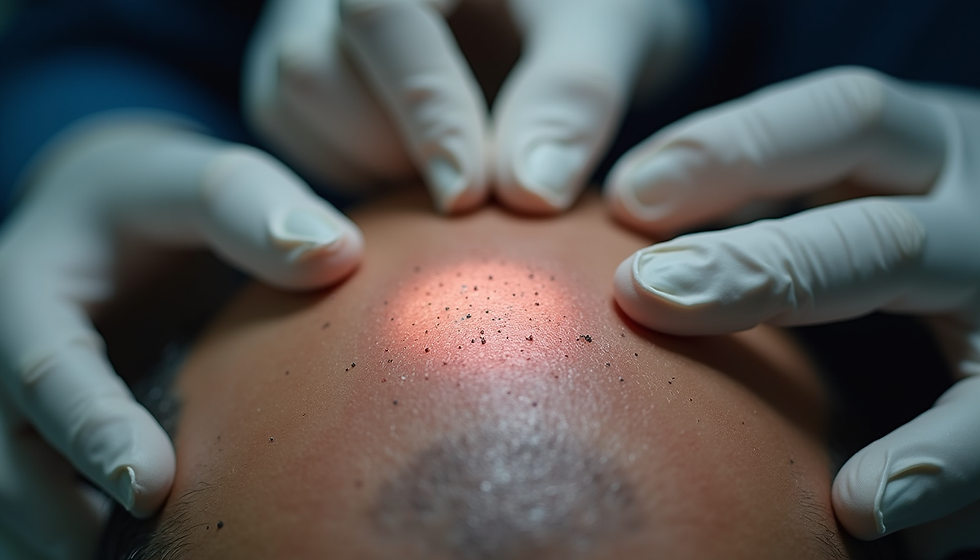
Scalp micropigmentation, often referred to as hair tattooing, is a cosmetic procedure where tiny dots of pigment are applied to the scalp, creating the illusion of hair follicles. It's a detailed process that, when performed correctly, can replicate the look of a closely shaved head or add density to thinning areas.
Brief History of Hair Tattooing
While SMP has gained popularity recently, the concept of hair tattooing has been around for longer than you might think. Variations of cosmetic tattooing for the scalp have existed for years, but modern SMP techniques have evolved significantly, offering more natural-looking and long-lasting results.
Fact 1: Scalp Micropigmentation is Not Just for Men
Many people associate SMP with men who are balding, but it's an increasingly popular solution for women too!
Female Scalp Micropigmentation: Women often experience diffuse thinning rather than receding hairlines. SMP effectively fills in these sparse areas, creating the appearance of greater density.
Unique Benefits for Women: SMP can camouflage widening part lines, add definition around the face, and even conceal scars from hair transplant procedures. For women in South Africa dealing with hair loss due to hormonal changes, traction alopecia, or other factors, SMP offers a viable and confidence-boosting solution.

Scalp Micropigmentation for women
Fact 2: Scalp Micropigmentation Can Mimic Real Hair
One of the biggest concerns people have is whether SMP looks natural.
Does it look real? When performed by a skilled and experienced technician, the results can be incredibly realistic. The key is in the application technique, pigment selection, and artistry involved.
Realistic Hairline Restoration: Technicians use various techniques to create a natural-looking hairline, including replicating the density and placement of natural hair follicles. The goal is a soft, diffused hairline that doesn't appear harsh or artificial. This is especially important for achieving a natural look that complements diverse South African hairlines and skin tones.
Fact 3: It's a Versatile Solution for Various Hair Loss Types
SMP isn't a one-size-fits-all solution, but it's remarkably versatile.
SMP for Different Hair Types: It can be adapted to different hair colors, skin tones, and hair densities. Whether you have light or dark hair, fair or dark skin, SMP can be customized to blend seamlessly.
Hair Loss Solutions for Men and Women: For men, SMP can recreate a strong, defined hairline or add density to thinning crowns. For women, it can address diffuse thinning, camouflage scars, and create the illusion of fuller hair. It's a valuable tool for addressing various hair loss concerns common in South Africa.
Fact 4: Aftercare is Crucial for Best Results
The work doesn't stop after the SMP procedure is complete. Proper aftercare is essential for optimal results and longevity.
Aftercare Tips: This typically includes avoiding excessive sun exposure, keeping the scalp moisturized, and avoiding harsh chemicals or treatments. Your technician will provide specific instructions tailored to your skin type and the procedure.
Mistakes to Avoid: Picking at scabs, using the wrong products, and neglecting sun protection are common mistakes that can compromise the results.
Fact 5: Is It a Permanent Solution?
Understanding the longevity of SMP is important.
Is SMP Permanent? SMP is considered a semi-permanent solution. The pigment will fade over time, typically requiring touch-ups every few years.
How Long Does it Last? The longevity of SMP varies depending on factors such as skin type, lifestyle, and pigment used. Generally, you can expect the results to last for 3-5 years before needing a touch-up.
Conclusion
Scalp micropigmentation offers a compelling solution for hair loss, with benefits extending beyond just men. From mimicking real hair to providing versatile solutions for various hair loss types, SMP can be a life-changing procedure when done correctly. Remember that proper aftercare is critical, and while not entirely permanent, the results can last for years. If you're in South Africa and exploring hair loss solutions, research reputable SMP practitioners and consider if this innovative treatment is right for you. If you're interested and want to chat about SMP or book a free consultation - fill in our contact form and we'll contact you :) www.scalptureink.com



Comments